Bare Nails, Grey Hair and Fine Lines: Is Fashion Finally Embracing Natural Beauty?
From Jennifer Lawrence's understated Dior campaign to Olivia Colman's grey hair extensions and the growing visibility of women over 50, fashion appears to be embracing a wider definition of beauty. Could we finally be learning to enjoy looking our best without feeling we need to change ourselves first?
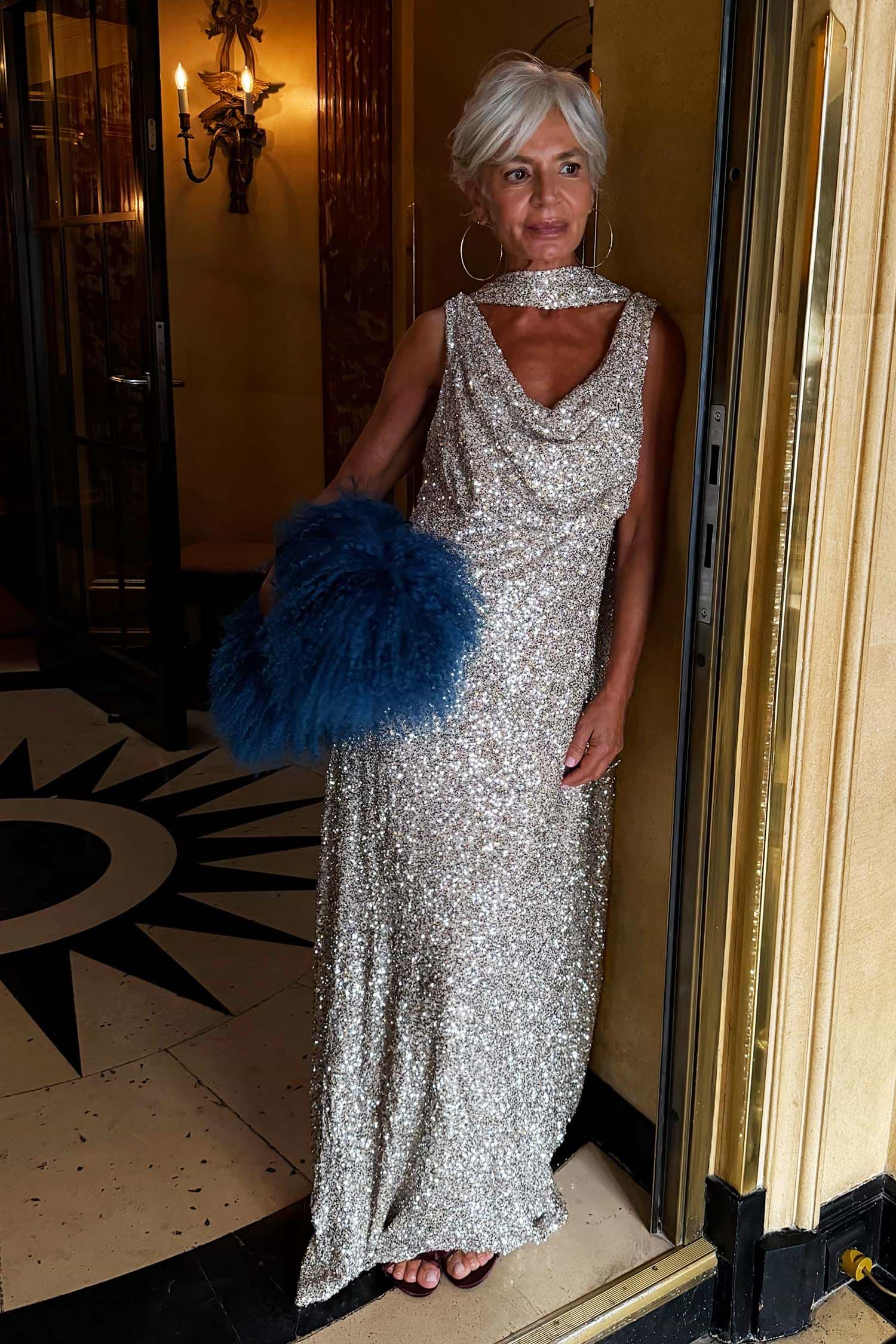
There's a little ritual I look forward to every week. I buy some of my favourite fashion magazines, make myself a coffee and settle down for a proper read. As the founder of Friday Petite, an independent British fashion and lifestyle magazine, perhaps that's not surprising. My love of magazines, both print and digital, was part of what inspired me to create one of my own.
I love the photography, the styling, the stories and that quiet moment I give to myself to enjoy something I love. But recently, while flicking through an issue of ELLE, something made me pause. It was a Dior advertisement featuring Jennifer Lawrence. Lawrence looked beautiful. She was wearing an exquisite Dior outfit and a pair of gorgeous shoes. Everything about the photograph had the elegance and sophistication you'd expect from a luxury fashion campaign. And then something caught my attention. Her toenails and fingernails appeared to be completely bare.
Not painted red, not finished with a French pedicure and not obviously coated in one of those almost-invisible nude shades. Just natural-looking nails. And I thought it looked absolutely beautiful.
Noticing natural-looking nails at Dior and Prada
Luxury campaigns are meticulously styled, so seeing Jennifer Lawrence with natural-looking nails felt unexpectedly refreshing. The photograph is part of Dior's Cruise 2027 campaign, photographed by Sam Rock. The clothes took centre stage, and the understated beauty styling felt entirely at home alongside them. A few pages later, I noticed something similar in Prada's Holiday 2026 campaign. Sadie Sink's fingernails appeared short and free of any obvious manicure. Another tiny detail, but one I found rather lovely.
Of course, I can't tell from a photograph whether either woman's nails were completely free of product. There may have been a clear coat or something equally subtle. The point is that they looked natural. Here were two major designer campaigns where that wasn't something that needed to be disguised.
Dior photograph on Instagram · Prada campaignBoth open in a new tab.
The bare-nail trend: the freedom to choose
For me, the appeal of natural-looking nails is simple: the freedom to enjoy our own nails as they are. Perhaps a little shaping if we want to, and a little polish when we want them to look fresh — or not. I don't want it to become another trend that requires a £40 salon appointment to achieve the appearance of having done nothing.
And I say that as someone who genuinely enjoys having her nails done. I love a beautiful manicure. What I don't love is feeling that I have to keep booking appointments to maintain one. Until recently, I was spending around £35 to £40 on my nails fortnightly to keep my manicure maintained. And if I wanted them removed, a similar cost was involved. Before long, it becomes a cycle of appointments, expense and finding time in an already busy week.
Eventually, I decided to stop. Not because I'd suddenly lost interest in looking after myself, but because I didn't want to feel obliged to keep doing it. So seeing natural-looking nails presented as chic in luxury fashion felt rather liberating. It reminded me that a manicure can be a pleasure without becoming a requirement. And that we don't need to apologise for choosing not to have one.
Olivia Colman and the beauty of grey hair
Another beauty story dominating the press right now is Olivia Colman who appeared with beautiful grey hair extensions at the Zurich Film Festival in September 2026, the actress wore long, flowing grey curls, a departure from the shorter, darker hairstyle many of us are used to seeing.
Then, in October, she walked the runway for Miu Miu during Paris Fashion Week. And I absolutely loved what I saw. Her silver-grey hair was pulled into a loose, low ponytail. It wasn't perfectly smooth or tightly controlled. There were flyaways and a wonderfully relaxed quality to the styling.
She looked fashionable, confident and completely at home on the runway. The longer hairstyle incorporated extensions blended with her own hair, so it would be misleading to suggest she'd simply woken up with those long silver curls. But that's not what interests me about the look. It's that the grey was being celebrated rather than concealed.
And that her runway styling didn't need to be immaculate to look fantastic. There was something lovely about seeing a woman in her fifties on a major fashion runway, wearing silver hair in a way that felt contemporary and unapologetic. It also made me think about my own hair.
I've recently gone much lighter, partly because I was exhausted by the constant battle to disguise the greys coming through my natural brunette colour. Previously, I was thinking about my roots every couple of weeks. Whether that meant booking another appointment, colouring my hair myself or simply worrying that the grey was becoming noticeable, it was taking up far more of my time and attention than I wanted.
Now that I'm blonde, the grey blends much more easily with the lighter colour. It's not quite what I'd call grey blending, and I still enjoy having my hair coloured. But I can go two months, sometimes longer, without needing to think about it. And that feels wonderful.
I still get to enjoy hair that I love. I still get to visit the salon when I want to. But I've removed so much of the maintenance and worry. I haven't stopped caring about my appearance. I've simply found a way to enjoy it without letting it take over my life.
And perhaps that's what I'd love more women to feel able to do, whatever their age.
More women over 50 in fashion? Yes, please.
It's not just nails and hair that have caught my attention. I'm also seeing something I've wanted to see for a very long time: more women over 50 appearing in fashion imagery. And not simply in campaigns specifically about ageing. I mean women in their forties, fifties, sixties and beyond modelling beautiful, contemporary clothes.
Clothes they might actually want to buy and wear. At Friday Petite, we have readers across a wide range of ages, and something that has always frustrated me is seeing clothing that would appeal to women of many different ages being modelled almost exclusively by women in their twenties.
It makes very little sense. How is a woman supposed to imagine how a dress might look on her if the only person she's seeing wearing it is thirty years younger? Of course, younger women can wear those clothes too. But why shouldn't the imagery reflect the people who are actually shopping for them?
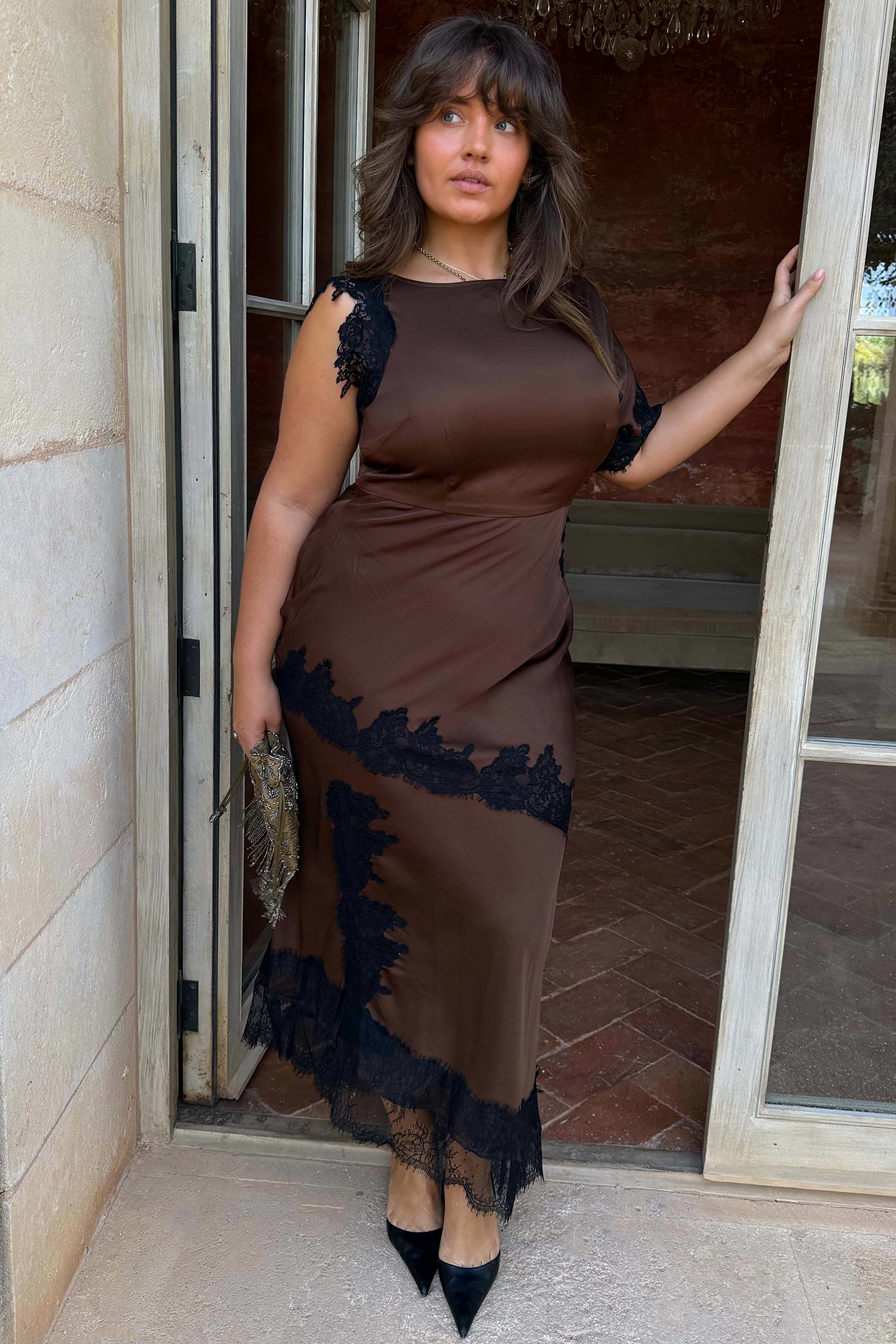
That's why I've been so pleased to see more inclusive photography from brands we feature at Friday Petite. Never Fully Dressed has just released their latest campaign featuring women of different ages and body shapes wearing its designs. And it's so refreshing to see their incredible designs on different women.
That's what I'd love to see more of: women of different ages being part of fashion, without a grand announcement about why they belong. Because we all deserve to be included.
Representation matters at every age, height and size
This is something I feel particularly strongly about because of my own experiences with fashion. I've always been petite. I've also always been curvy. And that combination has created its own set of frustrations over the years. Even within dedicated petite clothing collections, I've sometimes struggled to find tops and dresses that fit properly around my bust.
A garment might be beautifully proportioned for a shorter frame, but that doesn't necessarily mean it's designed for a fuller bust. Being petite doesn't mean being small in every measurement. And yet fashion imagery and sizing can sometimes make it feel as though there's only one acceptable version of a petite body.
It's one of the reasons I care so much about representation. I want to see women who are petite and curvy. Women who are petite in height and proportions. Women with different proportions, different ages and different personal styles. And I'd love to see more retailers using petite models to showcase their petite collections.
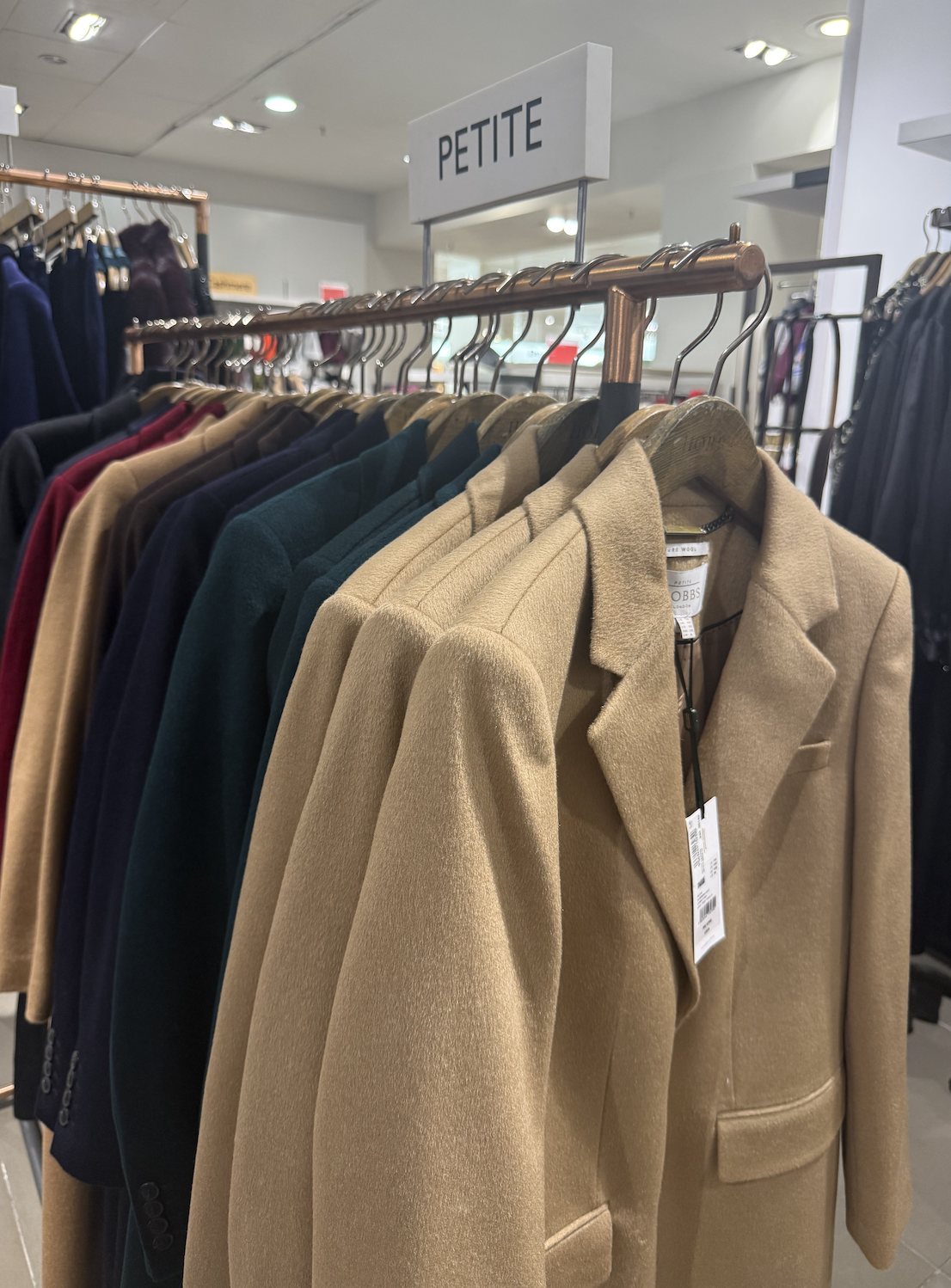
It's something I appreciate when shopping with Petite and PixieGirl. I can see the clothes modelled on women with petite proportions, which makes it easier to imagine how a piece might look on my own frame. That might sound like a small thing, but it makes a difference. I've also come across petite collections where the photographs appear to be the same ones used for the regular-sized clothing.
And when that happens, you're left wondering how the petite version will actually fit. It's a missed opportunity. Because representation isn't just about feeling included. It's also about helping customers understand how clothes might fit and look on bodies like their own. And the same principle applies to age.
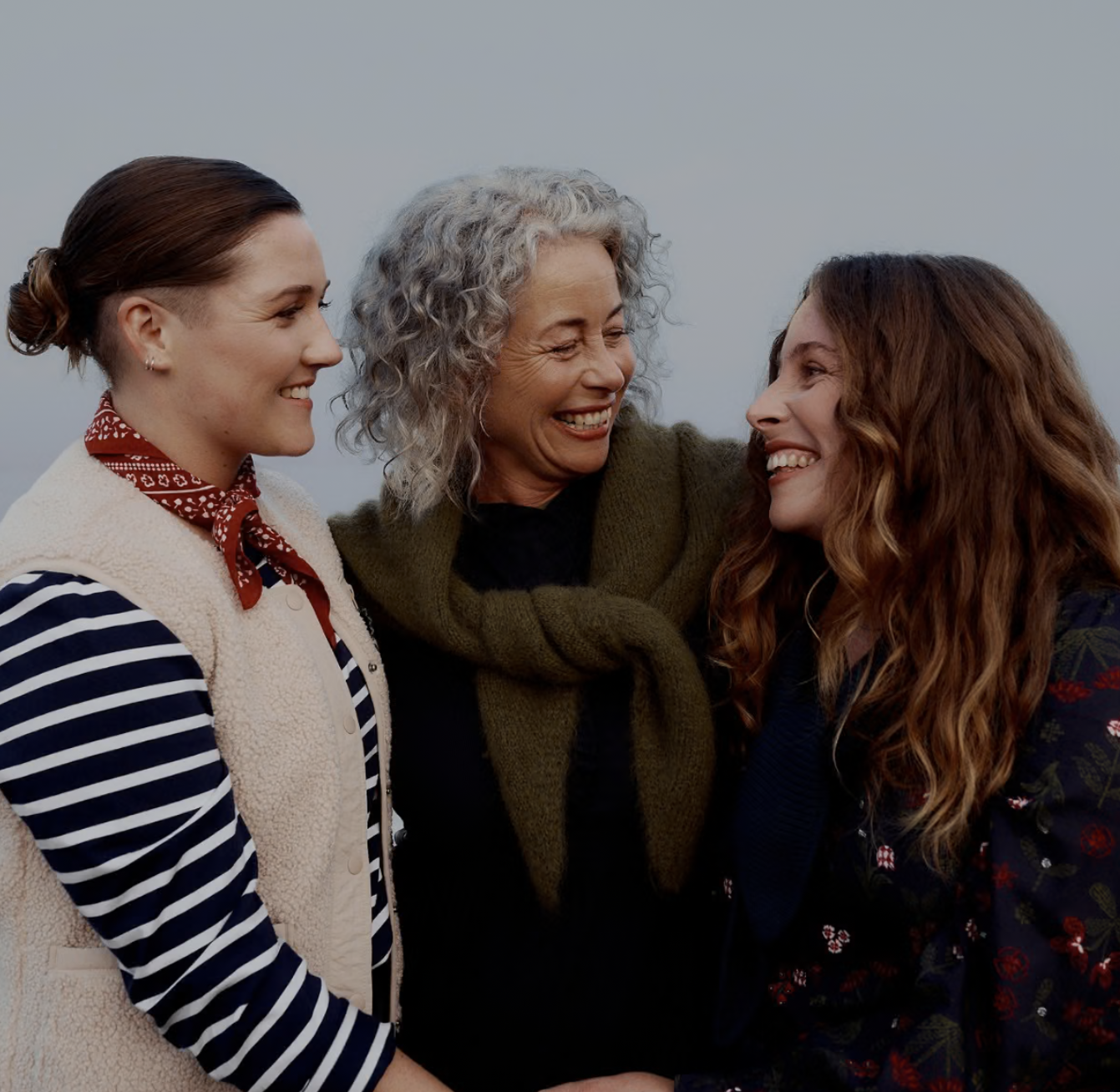
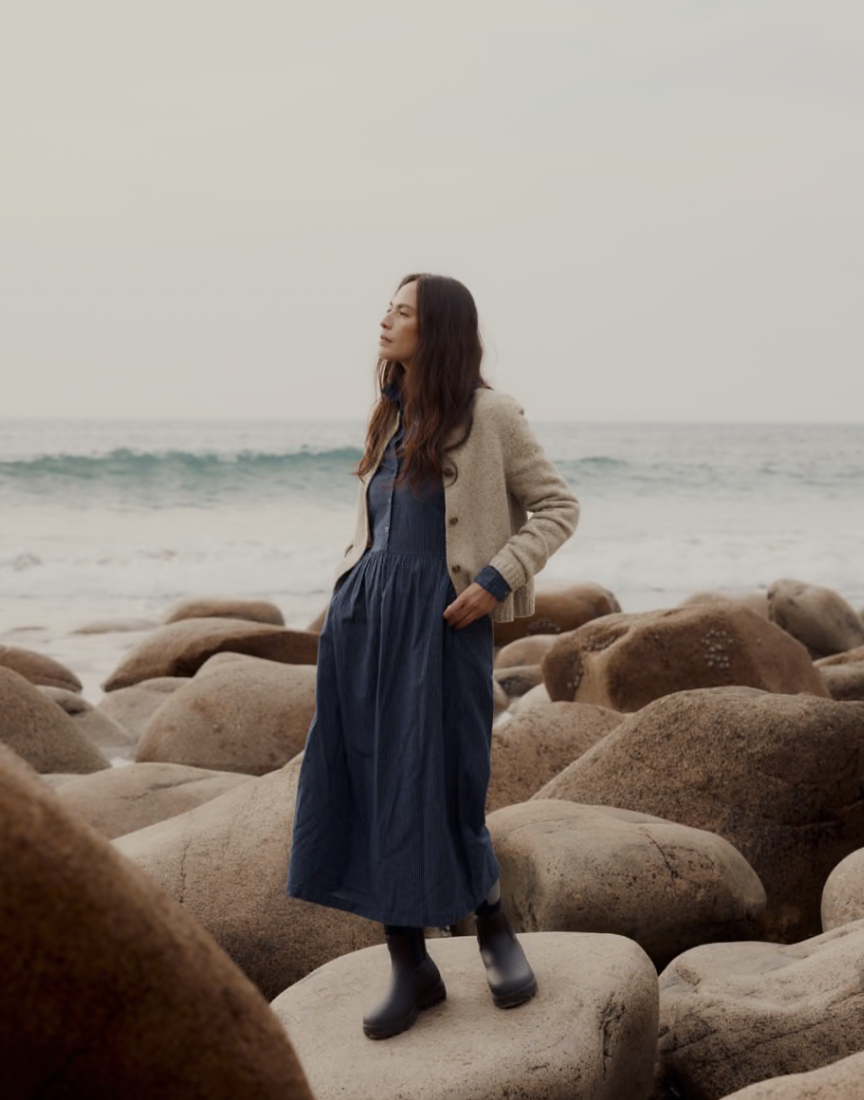
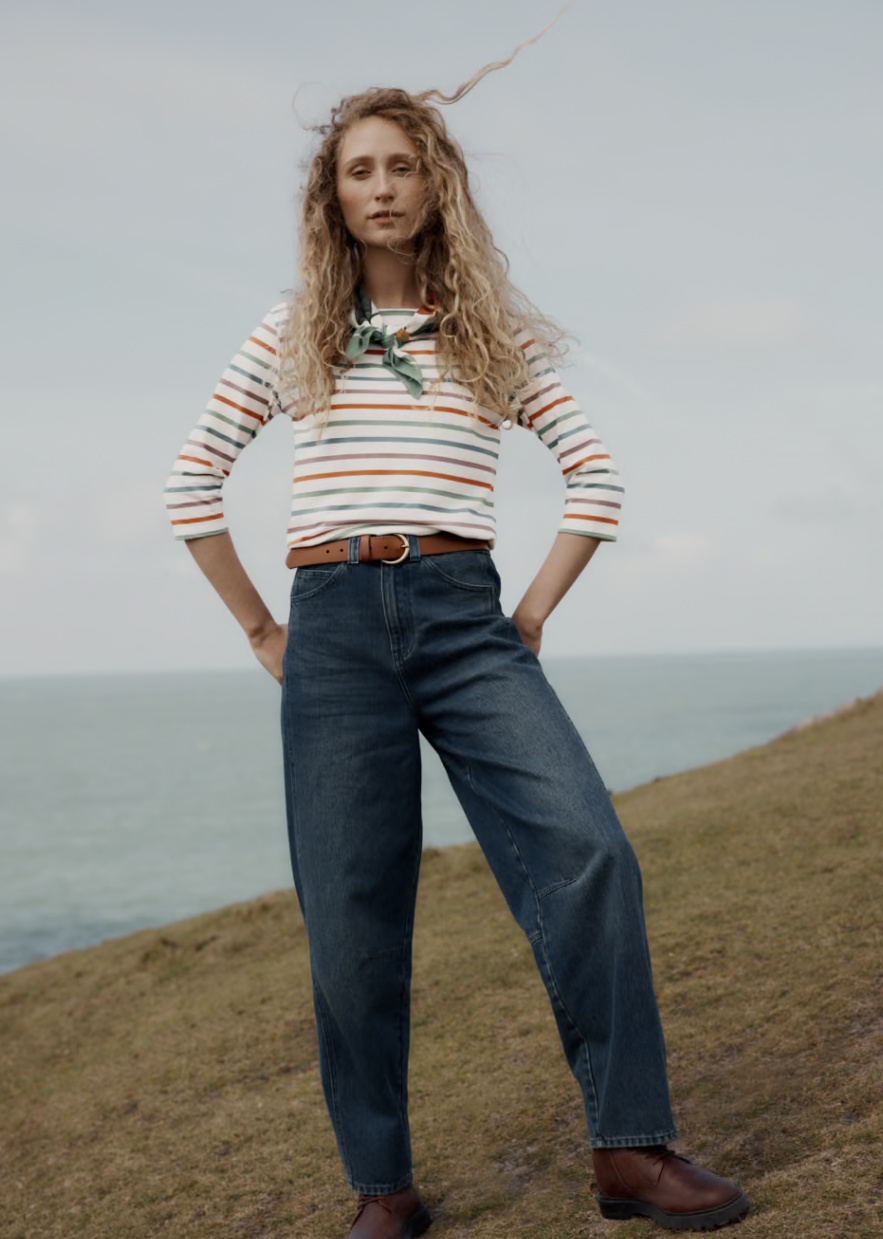
We shouldn't have to imagine what a garment might look like on a woman in her fifties when the brand could simply show us. Let's make fashion imagery reflect the women actually wearing the clothes. I've also enjoyed Seasalt Cornwall's Femmes de la Mer imagery: women from different generations, with different shapes, sizes, proportions and individual styles, enjoying fashion together. It feels joyful and full of personality. That broader picture matters just as much as age representation.
When women stop feeling welcome in fashion
I can understand why some women eventually decide they've had enough of the fashion and beauty industries. After years of struggling to find clothing that fits, rarely seeing women their age or body shape represented, or feeling that they're constantly being sold something to correct the way they look, it's understandable that some simply disengage.
And it's not always about affordability. Even women who can comfortably afford luxury fashion can become frustrated by the experience of buying it. When exclusivity starts to feel like an obstacle rather than a pleasure, or when an expensive purchase doesn't deliver the quality or service expected, it's reasonable to question whether the experience is worth it.
I understand that reaction. I also think there's something particularly troubling about the way women's worth has so often been connected to their youth and appearance. As women get older, they're frequently presented with a growing list of things they're supposedly meant to fix. Grey hair, fine lines, changes to their skin, their bodies and their faces.
And, conveniently, there's often an expensive product or treatment being offered as the solution. After years of that messaging, I can understand why a woman might reach her fifties or sixties and decide she simply doesn't want to participate anymore. Why wouldn't she want to reclaim that time, money and headspace?
But I don't want women to feel that their only choices are to keep chasing an increasingly demanding beauty ideal or walk away from fashion and beauty altogether. Because there is so much joy to be found in both. I still want to enjoy a beautiful dress, a fabulous pair of shoes, glossy hair and the pleasure of trying a new lipstick.
I just don't want any of those things to be driven by the belief that there's something wrong with me. I want fashion and beauty to feel like something we're invited to enjoy, not something we have to earn the right to participate in.
“Sell me the pleasure of using something beautiful. Don't make me dislike myself so that I'll buy it.”
When did looking after ourselves become so much work?
Perhaps all of this resonates with me because I'm now in my early forties. And I've started noticing how conversations about beauty change as we get older. Where once we might have been discussing hairstyles, makeup or which nail colour we loved, increasingly the conversations can turn towards what we should be doing about ageing.
We talk about Botox, fillers and upper eyelid surgery, often called blepharoplasty; about our necks, our skin and the lines appearing around our eyes. I know these conversations because I've had them myself. I've wondered whether I should start having Botox, whether I should consider fillers and whether there are treatments I ought to be investing in now.
And I've noticed the same concerns appearing in conversations with friends. It's not that any of these treatments are inherently wrong. Women should be free to make informed decisions about their own bodies. If someone enjoys a cosmetic treatment and feels good about it, that's entirely their choice.
But I do wonder when the idea of looking after ourselves became so closely connected with changing the things that happen naturally as we age. Because there's always something else, isn't there? Another line, another grey hair, another area of our body we're encouraged to examine or another treatment we could consider.
And at some point, I think it's worth asking whether all that attention is actually making us feel better. Or whether it's taking up time, money and headspace that we'd rather spend enjoying our lives.
There's a difference between offering a solution and creating a problem
This is perhaps what troubles me most about some beauty marketing. There's a world of difference between creating a wonderful product for a woman who wants it and persuading her that something perfectly natural about her appearance is a problem she ought to fix. Fine lines, for example, or jowls, or the rather horrible phrase turkey neck.
Who decided that was an acceptable way to describe a woman's neck in the first place? When we repeatedly see ordinary signs of ageing presented as flaws, it's hardly surprising that we begin looking at ourselves differently. Something we might never have given a second thought suddenly becomes something we're supposed to worry about.
And then, of course, there's a cream, a treatment or a procedure being offered to put it right. But why does enjoying a beauty product have to begin with finding something wrong with ourselves? What if I simply want beautifully soft, silky arms? What if I want a body lotion that leaves my skin feeling lovely, with a gorgeous glow?
Not because I'm trying to erase every wrinkle or make my skin look twenty years younger. Simply because I like how it feels and looks. There's a pleasure in beauty that has nothing to do with correcting imperfections. The smell of a lovely moisturiser, the feeling of freshly washed hair, a lipstick colour that lifts your mood, or skin that feels soft and comfortable.
I don't need to believe that my skin is inadequate to enjoy those things. And I wish more beauty marketing started from that position.
Maybe looking your best doesn't mean looking younger
I've always believed in the confidence that comes from looking and feeling your best. It's a big part of what Friday Petite is about. Finding clothes that fit beautifully, discovering styles that make you feel fantastic, enjoying fashion and expressing yourself through what you wear. But increasingly, I've been questioning what looking your best really means.
Does it mean trying to look like the person you were at 21? Does it mean making sure nobody can see a grey hair, a fine line or an unpainted fingernail? Or could it mean something much more personal? What if looking your best simply means looking like you?
Wearing the clothes you love. Styling your hair in a way that makes you happy. Taking care of your health and wellbeing. Enjoying your beauty routine when you want to. And feeling comfortable enough in your own skin that you don't constantly question what needs fixing. I don't want women to stop caring about fashion or beauty as they get older.
Quite the opposite. I want us to keep enjoying it. I want us to dress beautifully, experiment with our style, discover wonderful brands and feel fantastic in what we're wearing. I just don't want all that enjoyment to come with the expectation that we need to change ourselves first.
Because surely there's a difference between celebrating our appearance and feeling pressured to correct it. And I'd love to see more of the former.
Is fashion finally changing?
I do think we're seeing encouraging signs of change. Natural-looking nails are appearing in major designer campaigns. Grey hair is being celebrated in luxury fashion. Petite women and women over 50 are becoming more visible in brand photography. And conversations about beauty increasingly seem to be making room for individuality and a more relaxed approach to appearance.
These aren't all the same trend, but I think they're connected by something important. They're broadening the picture of what beauty can look like.

Of course, we don't yet know how lasting that change will be. Fashion moves quickly, and today's celebration of natural beauty could easily be replaced by another ideal tomorrow. I'd also like to see the changes extend beyond high-profile moments. More age-diverse models in everyday product photography, more women with different body shapes and heights, and more realistic representation of the people buying the clothes.
And more room for natural features to exist without being presented as something brave or extraordinary. That's what I want for Friday Petite's readers. And it's what I want for myself. Not a fashion industry that tells us to stop enjoying beauty. One that gives us more freedom to enjoy it on our own terms.
Perhaps the most beautiful thing we can be is ourselves
I keep coming back to that Dior advertisement in ELLE. A beautiful photograph, created to showcase extraordinary clothes, with one tiny detail that made me think about something much bigger. A pair of natural-looking toenails. Such a simple thing. And yet, for me, it was a lovely reminder that elegance doesn't always require more.
Sometimes, it's enough to put on something beautiful and simply be yourself. I'd love to see more women feeling comfortable with their natural features, not because they're following a new trend, but because they genuinely feel good about them. I'd love to see us spending less time worrying about whether we're doing enough to stay young and more time enjoying the age we are.
And I'd love to see fashion and beauty celebrating the things we already love about ourselves, rather than constantly pointing out what we might want to change. Because I don't think confidence comes from looking as though we haven't aged. I think it comes from feeling that we don't need to apologise for ageing in the first place.
What if looking and feeling your best isn't about becoming a younger, smoother or more perfected version of yourself? What if it's simply about enjoying the woman you are now?
Let's talk
Are you enjoying seeing more bare nails, silver hair and women over 50 in fashion campaigns? Have you found your own way of enjoying beauty without feeling pressured to achieve an impossible standard? I'd love to hear what looking and feeling your best means to you. Because whether you love a full manicure, a salon-fresh hairstyle or a completely natural look, we all deserve to enjoy fashion and beauty without feeling that we need to change ourselves to belong.
Friday Petite is an independent British fashion and lifestyle publication celebrating style, individuality and confidence for women 5ft 3in and under.

Be In The Know. Join The Inner circle
You May Also Like…




Be In The Know - Join The Inner Circle
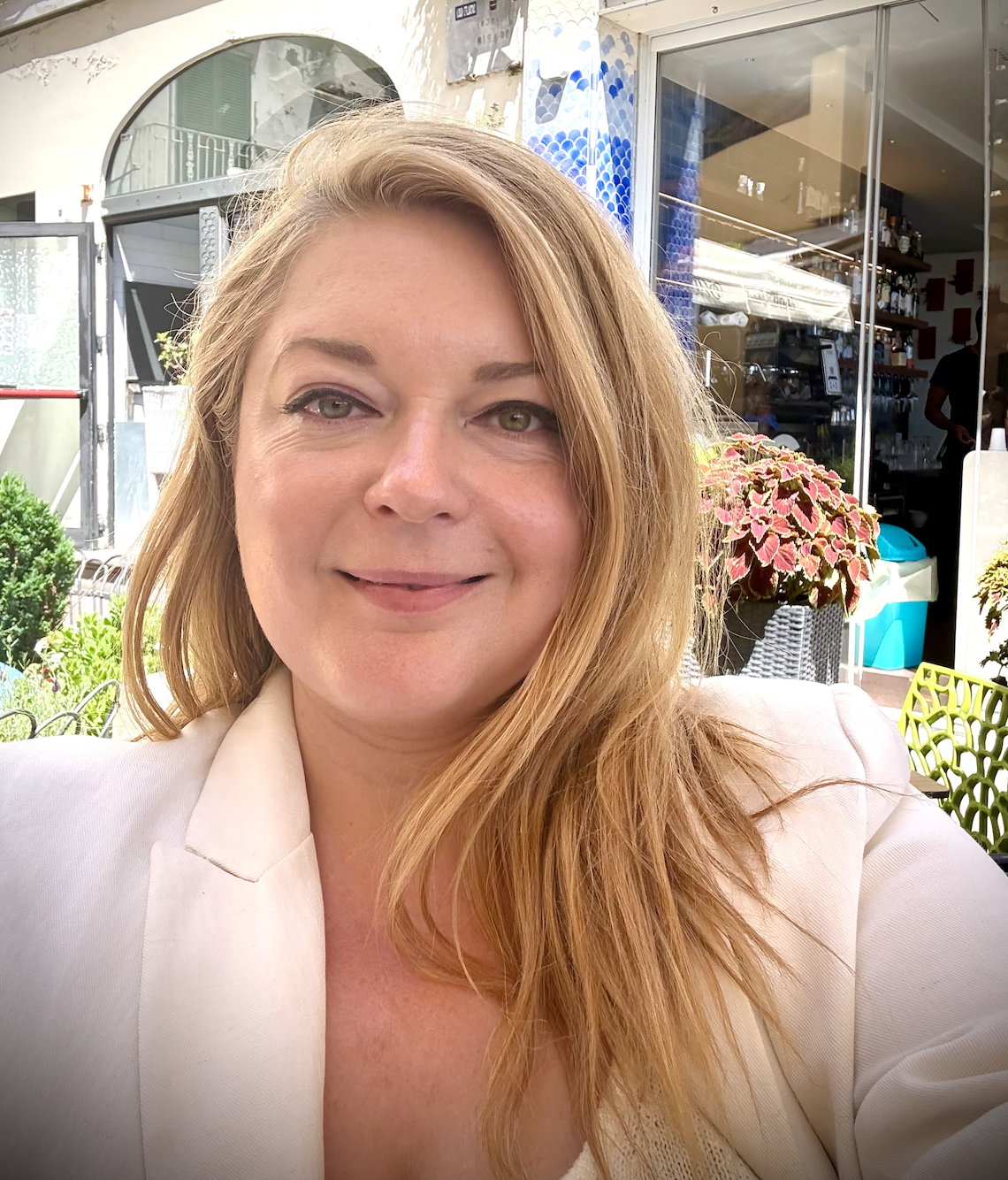
From bare nails on the runway to Olivia Colman's grey hair extensions and women over 50 in the spotlight, is fashion finally embracing natural beauty?